Some cookware will get rave opinions on day one and then slowly drifts to the returned of the cabinet once the novelty fades. Others change into riskless equipment you attain for with no questioning. Mcware pots sit down somewhere among these poles: price range-pleasant aluminum cookware with unswerving fanatics, certainly in Gulf Coast kitchens, and masses of skeptics who swear via heavier, pricier brands. I cooked a month of time-honored ingredients in a Mcware set, the use of recipes that push pots in predictable ways: browning, simmering, boiling, steaming, and finishing within the oven. What follows will not be a lab document. It’s the useful account of what worked, what didn’t, and which recipes make a honest mcware pots overview experience earned.
What Mcware Pots Are, and Why People Care
Mcware pots are lightweight, cast aluminum vessels with a utilitarian glance and no fussy advertising language. Think: thick base for an aluminum pot, straight forward handles, press-suit lids with minimal venting. They’re no longer nonstick, not stainless, and not enameled. If you’ve spent time in coastal Louisiana fish camps or small restaurant kitchens, you’ve more often than not noticeable them stacked near fryers and burners. Aluminum is the draw the following. It is a good conductor, heats rapid and flippantly, and comes in an awful lot cheaper than multi-ply stainless. It is usually reactive with acidic ingredients, and it's going to stain or pit if abused.
That commerce-off defines the feel. You get speedy heat, elementary maneuverability, and inexpensive sturdiness for the charge. You also want to pay more recognition with tomatoes, wine, and citrus, and that you could’t deal with these like bulletproof heirlooms. If you keep in mind the material, the pots act predictably, even below the day by day churn of relations cooking.
Setup, Sizing, and First Impressions
I picked up a widespread mix: a 2-quart saucepan, a 5-quart Dutch-oven-sort pot, and a 10-quart stockpot. Lids are domed and easy, seating tolerably nicely yet no longer gasket-tight. The handles are riveted and live cooler than the pot frame for a few minutes yet do heat up. Expect to snatch a towel at simmer time.
Two brief observations after washing and drying:
- The interiors aren’t modern. They’re smoothly machined however nevertheless prove faint tooling marks. That rather matte inner is a telling signal: food will stick when you drop bloodless protein into a groovy pot, however it would release as soon as the Maillard reaction develops and you employ sufficient fats. The pan tells you the fact about your warmth keep an eye on. The weight distribution is good. Even while full, the stockpot doesn’t torque the wrist the method taller, narrower pots can. That finally ends up mattering if you’re draining pasta or moving a complete pot off a crowded burner.
Those first impressions held via the month.
Heat Behavior on Gas, Electric Coil, and Induction
Aluminum is a warm sprinter. On fuel, the Mcware pots come up to temperature directly and spread warmth throughout the bottom with no the hot crescent you in some cases get on skinny metal. On electrical coil, there’s a small lag in the event you adjust warm; the aluminum compensates a piece by smoothing the pulses, yet you continue to desire to transport the pot or elevate it in brief to sidestep scorching sugary sauces. On induction, the most obvious notice: these pots don’t work unless you utilize an induction converter plate, which adds an extra layer and blunts the quick-reaction virtue. If you cook completely on induction and want rapid functionality, appear in different places.
I spotted the 5-quart pot behaves like a terrific risotto pan or beans pot: even https://www.cookwarereviewhub.com/mcware-cookware/ warmth, exceedingly instant response, and adequate wall thickness to prevent sharp hotspots. The 2-quart saucepan is stunning for rice, oatmeal, and gravies, however it calls for realization for custards. The 10-quart stockpot boils water immediate and holds a regular simmer with no burbling the pot over.
Recipe Trials: What I Cooked and What It Revealed
A truthful evaluate have to push cookware past scrambled eggs and undeniable pasta. I chose day to day recipes that stress assorted attributes: searing, deglazing, acidity, starch liberate, and coffee-and-slow simmering. If a pot can manage all of that, it deserves its area at the stove.
Red Beans and Sausage, Monday Style
Dry purple beans, soaked in a single day. A trinity of onions, celery, and bell pepper. Sliced smoked sausage browned first, then the veggies, then beans and water with bay and thyme. In the 5-quart pot, the sausage browned calmly with a tablespoon of neutral oil over medium-excessive warm. No scorching rings, no bizarre chilly zones. The fond launched with a quick splash of water and scraped up cleanly, which informed me the indoors machining is tender sufficient to deglaze with no gouging.
As the beans simmered for 90 mins, a faint roll held at low warmness. Aluminum makes ramping down from a boil uncomplicated: inside of a minute, I may possibly go from rolling boil to a well mannered, stable tick. Lid in good shape was good, even though a whisper of steam escaped close to the manage. That’s arguably necessary with beans, since it concentrates style a little. The cease result tasted like Monday could taste. No steel notes, regardless of herbs and aromatics. The pot wiped clean with ease with scorching water and a nylon brush.
Note for bean chefs: long simmering appears to be like to season the internal flippantly. Over time, the pot darkens to a pale tea stain inside of. That’s cosmetic. If something, it reduces later sticking.
Tomato and Basil Pasta Sauce
Tomatoes attempt aluminum’s weak side. I did two versions. First, a brief 30-minute sauce with canned San Marzano tomatoes, garlic, and olive oil. Second, a longer ninety-minute simmer with onion, crimson wine, and tomatoes.
The short sauce done best inside the 2-quart saucepan. The garlic browned evenly, the tomatoes simmered without spattering too much, and the sauce picked up no metallic off style. For the longer simmer with wine, I switched to the 5-quart pot and paid consideration. After 45 mins, I tasted faint brightness that wasn’t just acid. Not disagreeable, but the several from what I get in my enameled Dutch oven. At ninety mins, that faint tang grew greater pointed.
Workaround: stir in a half teaspoon of sugar and finish the sauce in a nonreactive bowl. Or shorten the prepare dinner to under an hour. If you typically make lengthy-cooked, wine-forward tomato sauces, here's a case for a nonreactive pot. If you make brief soffritto-and-tomato weeknight pasta, Mcware handles it.
Chicken and Rice, One-Pot Weeknight Saver
The 5-quart pot is tailored for chicken thighs and rice. I browned four bone-in thighs pores and skin-side down in a tablespoon of oil over medium-prime warmth. Fat rendered and crisped devoid of sticking to drama. Once browned, I removed the bird, sautéed diced onion and a handful of celery, brought rinsed jasmine rice, toasted for a minute, then deglazed with inventory and tucked the thighs again in.
Here, lid have compatibility topics. The Mcware lid doesn’t clamp tight, yet it holds ample steam that rice cooked calmly at a low simmer. No scorched ring, no soft heart. Total time after returning bird to the pot was once about 22 minutes on the gentlest bubble. The rice absorbed inventory cleanly, and the base layer fashioned a thin, golden crust that tasted first rate, no longer burnt. The pot’s even heat saved the crust uniform, now not patchy.
Shrimp and Corn Soup
Shrimp inventory, cream-genre corn, diced potatoes, onion, and a bit butter. This is an efficient try for mild simmering and starch free up. I used the 2-quart saucepan for a small batch. The butter didn’t brown upfront, and the starch from the potatoes thickened at a predictable speed. No sticking so long as I gave a stir every few minutes. The easy-up turned into painless, and the soup had no metallic kiss. I wouldn’t simmer cream for hours in it, yet for a forty-minute pot of soup, it’s a nice accomplice.
Jammy Eggs and Oatmeal, Breakfast Basics
For oatmeal, the 2-quart pot shined. Quick oats became silky in 5 mins, and rolled oats behaved nicely at a low simmer. Milk calls for consciousness on any pot, and this one isn't any exception. Scalding can appear should you crank the heat. Keep it medium-low and stir early and commonly. For eggs, the pot boiled water directly, and the mild dome of the lid encourages a constant steam. Nine minutes for jammy eggs, plunged into ice water, no efficient ring round the yolk.
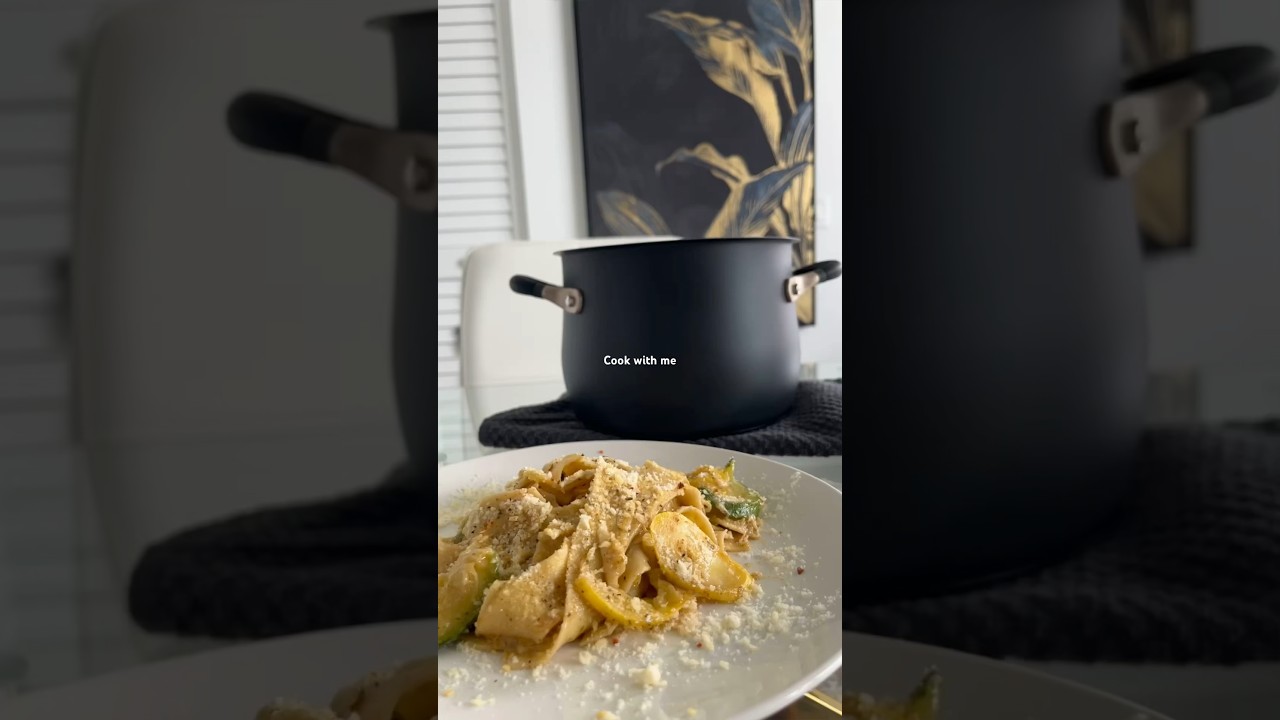
Seafood Boil for Four
A 10-quart stockpot must control a small seafood boil with no drama. I stuffed to two-thirds with water, salt, lemon, and a boil seasoning bag. The pot reached a full boil in under 15 minutes on a good fuel burner. Potatoes went in first, then corn, then shrimp. Even whilst loaded, the pot again to a boil rapidly and held it. Lifted to drain, the load felt achievable. The rim is rolled and doesn’t deform lower than tongs or a rack. Afterward, the interior had some seasoning stains close to the waterline. Those wiped clean up with baking soda paste.
Gumbo, the Long Stir
Gumbo tests the stir self-discipline and how a pot handles roux. I made a medium-dark roux with equal materials flour and oil, stirring for about half-hour. The even warmness is the payoff. No sizzling wedge brought about unexpected burning. Once I reached a colour someplace between peanut butter and milk chocolate, I further trinity and stirred like I intended it. The roux loosened and covered the vegetables without seizing. Stock in ranges, a slow simmer, and I had a modern base in under two hours. The style checked out, and smooth-up changed into strangely trustworthy. A nylon scraper took care of any hold at the corners.
Steel-Cut Oats and Custards, the Fussy Edge
Steel-minimize oats behaved like a dream at low warmness, with minimal sticking if stirred each and every short time. Custards had been more smooth. A crème anglaise needed a warm-diffuser over gasoline to preclude unexpected thickening. The gentle lid supports cling a mushy steam when you need to temper eggs, but I’d still recommend a double boiler for pastry paintings once you’re unique.
Durability After a Month of Real Use
Aluminum dings. That’s just life. The pots took a couple of cosmetic scuffs from steel spoons and tongs. The interiors didn’t gouge, however they coach faint trails wherein I scraped fond. A nylon or picket utensil leaves fewer marks and is a more beneficial long-term plan. Rivets stayed tight. Handles developed a little bit of play merely as soon as, and a screwdriver tweak fastened it. Lids remained accurate, no warping.
Stains got here and went. A baking soda paste handled onion dye and boil seasoning. Tomato residue took greater elbow grease if left overnight. A soak in sizzling water adopted by way of a nylon brush treated everything else. I saw that once half a dozen longer chefs, the pots appeared to launch foodstuff greater genuinely. Not a nonstick impression, more a moderate seasoning that coats the interior with use.
Note on dishwashers: I could not use one. Aluminum and harsh dishwasher detergents make negative visitors, and you’ll accelerate dulling and pitting. Hand-wash, dry out of the blue, and the pots hold their seem some distance longer.
Heat and Handle Comfort
The handles run cooler than the physique early on, but once the pot is at a constant simmer for 15 mins, snatch a towel. Their form is unassuming and trouble-free to grip. Tilt-pouring from the two-quart saucepan is tidy, nonetheless there’s no dedicated pour spout. The five-quart’s handles are wide enough for oven mitts. The 10-quart is balanced adequate that you can still pour off pasta water moderately with out a helper, but a lid-with-holes or a strainer is more secure.
As for oven use, aluminum is exceptional at average temperatures. These pots haven't any plastic constituents at the handles I validated, so four hundred F is within reason. The lids are thin, and I wouldn’t positioned them beneath a broiler. I used the 5-quart to bake a no-knead bread at 425 F in a pinch. The crust didn’t get as deeply bronzed because it does in forged iron, but the loaf cooked thru and published cleanly. If you bake bread weekly, get a Dutch oven. For the only-off, Mcware can control it.
Taste and Reactivity, in Practice
Reactivity is the shadow subject any time aluminum is interested. It isn’t uniform. Acid ranges, prepare dinner time, and fat content all exchange the influence. With brief acidic sauces, I didn’t style metal. With long simmers of tomato and wine, a faint tang crept in. Lemon in pan sauces didn’t strip aluminum into the sauce in any tasting experience, certainly whilst completed right away with butter. Pickling brines need to be made in nonreactive pots, and so may still vinegar reductions. Chocolate is exceptional. Berry jams are on the threshold, yet should you cook dinner quickly to set factor, they arrive out tasting excellent.
If you desire one pot for each and every doubtless recipe, adding lengthy acidic stews, aluminum is absolutely not the right. If such a lot of your cooking is weeknight savory, grains, beans, soups, braises underneath two hours, and boils, Mcware performs continually.
Maintenance Habits That Pay Off
Mcware rewards a little care. Rinse hot, wipe, then wash. Dry out of the blue to steer clear of water spots. Store with a towel between pots to avert scuffing. If a pot alternatives up a stubborn stain, a fast simmer of water with a spoon of baking soda, adopted by using a pale scrub, basically restores the surface. Avoid abrasive metal wool. If you burn sugar hard satisfactory to lacquer the bottom, soak overnight and assault lightly with a timber scraper.
The pots take delivery of the little rituals of a hectic kitchen: deglaze with a dash of water, scrape with a flat-edged spoon, and also you’ll avert the build-up that ends in sticky patches next time.
Who These Pots Suit, and Who Should Pass
If you’re development a kitchen on a funds and you price heat responsiveness over heirloom heft, Mcware hits the mark. College flats, camp kitchens, condominium contraptions, and loved ones cooks who churn out rice, beans, soups, and pasta will get a lot of mileage. If you’re outfitting a committed sauce station for lengthy tomato or wine discount rates, or you rely on induction without a converter plate, appearance elsewhere. For prime-heat searing of steaks, you are able to brown in those, however the loss of mass potential temperature drops while you upload a great chilly protein. Cast iron or clad stainless retains its nerve enhanced for that process.
What Mcware does most productive is straightforward, commonly used cooking at a fee that makes experience. It’s apparatus to position to work, now not to little one.
Recipes That Make Sense for Mcware
Here are 5 loyal uses the place those pots shine devoid of caveats:

- Rice and grains: predictable simmer, minimal scorching with a low flame. Beans and legumes: even warm over lengthy light cooks, plus convenient deglazing for aromatics. Soups and stews less than two hours: constant simmer, simple smooth-up, no fuss. Quick sauces and gravies: immediate heat-up, refreshing fond, hassle-free keep an eye on. Boils and blanching: instant to a boil, solid when loaded, secure to pour.
Keep long acidic discounts for a nonreactive pot, and also you’ll stay clear of the single steady weak element.
Cost, Value, and the Real Choice You’re Making
Price moves opinions. Mcware more often than not undercuts tri-ply stainless and most enameled cast iron via a vast margin. For anybody who cooks nightly, the pots earn their retailer speedily. The friction of achieving for a heavy piece disappears. Lightness becomes a characteristic while you’re draining a complete pot of pasta with one hand even as shepherding a toddler from the dishwasher door with the alternative.
You do quit flash and some categories of performance. Clad stainless tolerates any factor at any simmer length. Cast iron holds warmth like a promise and sears with no flinching. Nonstick makes eggs behave even at 6 a.m. Mcware splits the distinction by being the short, truthful, unfussy day after day worker. It doesn’t crumble in case you stir, splash, or neglect to kill the warmth for a minute. It does require judgment with acid and a chunk of upkeep.
If you have already got a fave nonreactive Dutch oven, Mcware is a shrewdpermanent partner for every thing else. If you’re establishing from zero and want a core set, it’s an economical approach to be informed warm manipulate with out guidance wheels.
Small Techniques That Make Mcware Cook Better
You can tilt effects to your favor through treating these pots just like the tools they are, now not magic tips. Preheat gently sooner than including fats, then bring as much as cooking warmth. Give proteins house so that they liberate rather than tearing. When simmering starches, stir early to forestall first-layer sticking, then scale back stirring to keep mushing. Keep a timber or nylon scraper near the range to set up fond and corners. Finish acidic dishes in a tumbler or stainless bowl if the simmer runs lengthy. These small habits take away maximum of the court cases of us have with aluminum.
After a Month: What Stayed on the Stove
The five-quart pot under no circumstances made it again to the cabinet. It grew to be my default rice, beans, one-pot, and soup pot. The 2-quart lived on the back burner for oatmeal and sauces. The 10-quart got here out weekly for pasta and a small boil, then nested away. The shine mellowed, the interiors took on a faint pro look, and my fingers found out the minor dance of towels and quickly wipes. The pots requested for therefore little that they have become invisible, that's a praise.
If your expectations suit the drapery, Mcware can provide trustworthy results and first rate sturdiness at a worth that welcomes universal use. If your cooking life facilities on long, acidic, wine-heavy braises and tomato sauces, complement with a nonreactive selection and get in touch with it a day. Either approach, you’ll devour smartly. And that, greater than the finish or the badge, is what things in a grounded mcware pots evaluate.